Is Beauty the New Cultural Currency? A Night of Reflection in Kuala Lumpur
Tucked within the sleek, glass-lined interiors of Arcc Spaces Gardens North Tower, something quietly radical unfolded. Not a fashion show, nor a product launch—but a conversation. One that felt urgent, layered, and deeply personal.
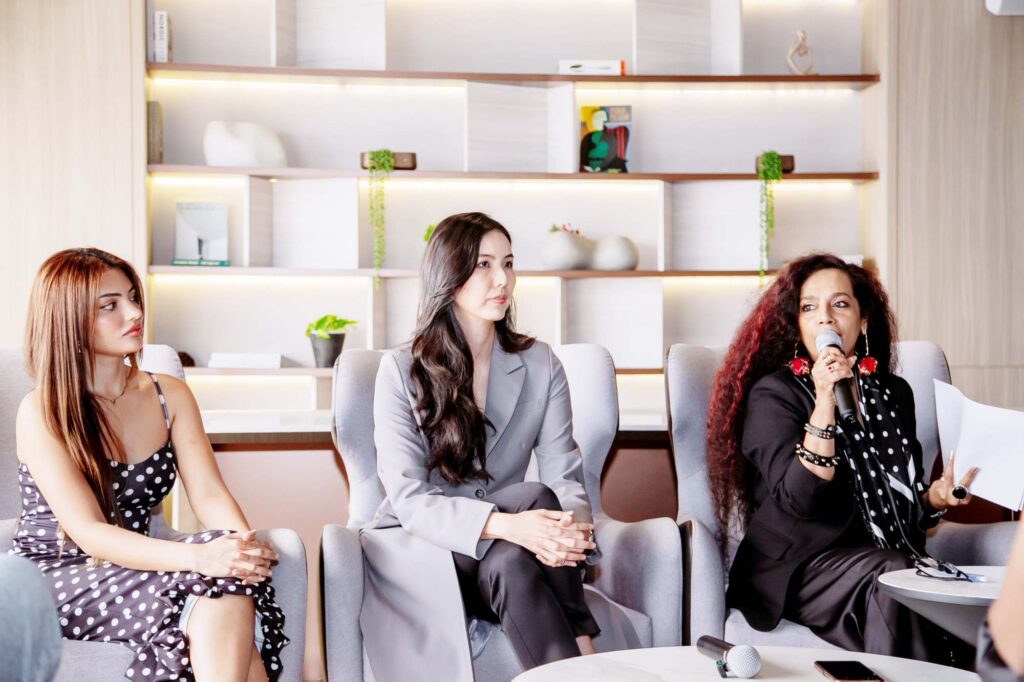
Hosted by Think Geek Media in collaboration with Arcc Spaces, Being, Human KL: Is Beauty the New Cultural Currency? gathered a room full of creatives, professionals, and cultural observers. And rather than offering answers, it posed a question that lingered long after the lights dimmed: What does it really mean to be seen today?A Room Full of Thinkers, Not Spectators
There was an unmistakable energy in the room—one that felt less like an audience and more like a collective pause. People leaned forward, not scrolling through their phones, but listening.
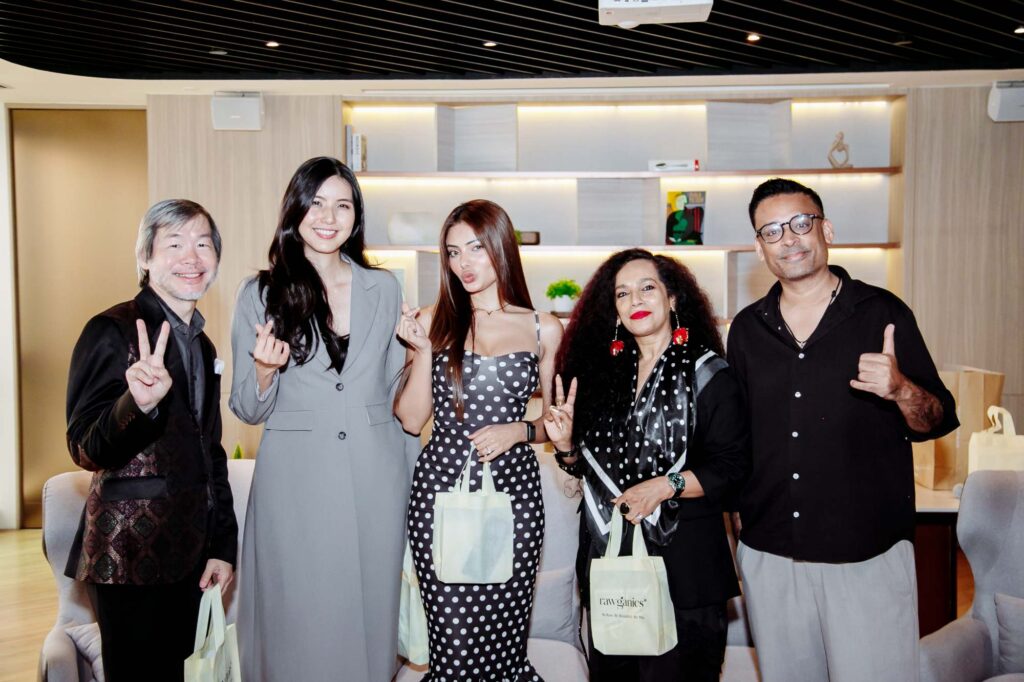
Moderated by Ethel Da Costa, the conversation brought together voices from vastly different yet interconnected worlds:
- Eleen Yong, redefining confidence and self-expression
- Dr Hew Yin Keat, offering a clinical lens on beauty
- Sanjna Suri, unpacking digital identity and visibility
It wasn’t a panel that sought to define beauty—it dismantled it, piece by piece.
When Beauty Becomes Currency
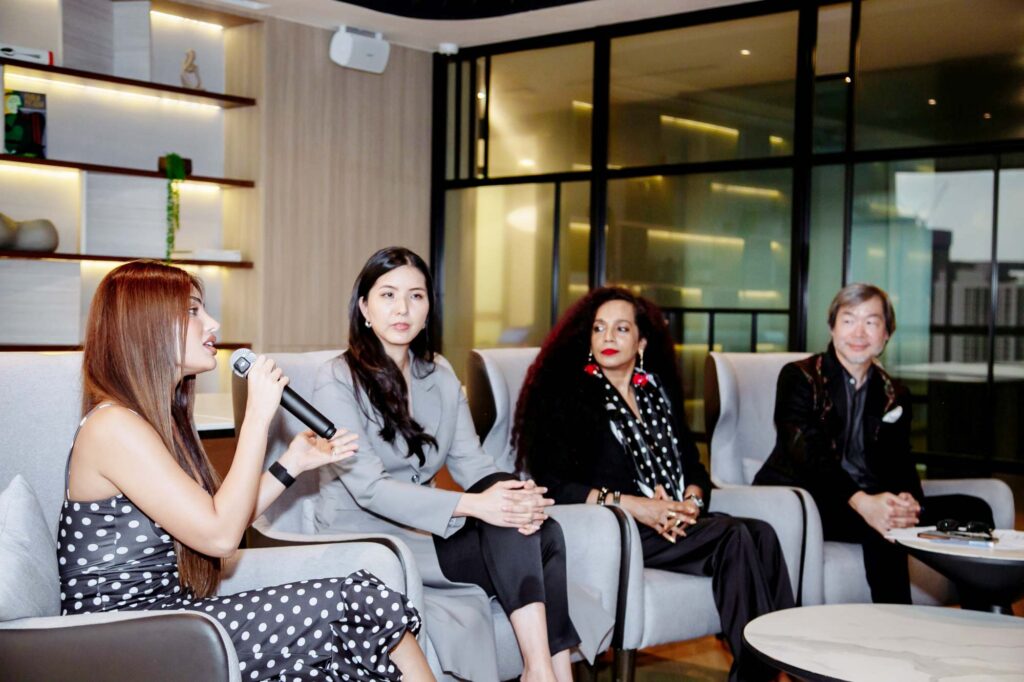
What emerged over the course of the evening was a striking shift in perspective: beauty is no longer passive. It is active, constructed, negotiated—almost transactional.
As Ethel Da Costa observed, “We’re living in a time where beauty is no longer passive — it’s constructed, performed, and constantly negotiated.” It’s a statement that lingered in the air, reframing beauty not as a fixed trait, but as a dynamic system. She added, “This conversation wasn’t about defining beauty, but about understanding the systems that give it value — and how we participate in them, often without realising it.”
In today’s hyper-connected world, beauty operates much like currency. It can open doors, shape perceptions, and influence opportunity. But unlike traditional forms of capital, it’s fluid, subjective, and often invisible in how it exerts power.
The Pressure to Be Seen—and Seen Right
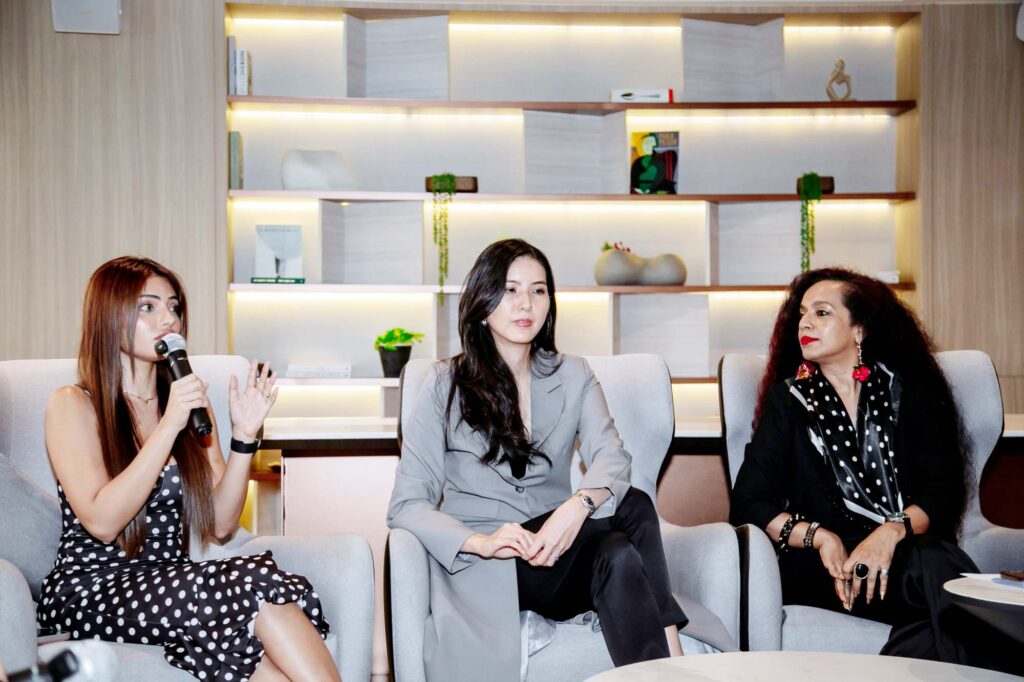
For Sanjna Suri, the conversation turned sharply toward the digital sphere, where visibility is constant and often unforgiving.
She spoke candidly about the expectation not just to be visible, but to be visible correctly. As she put it, “In a hyper-visible world, the pressure isn’t just to be seen — it’s to be seen in a way that is acceptable, aspirational, and engaging.”And therein lies the paradox: in a world where everyone can be seen, authenticity becomes harder to hold onto. The line between what is real and what is curated continues to blur.
Sanjna captured this tension succinctly, noting, “The challenge is holding onto authenticity when the lines between real and curated are increasingly blurred.”
A Clinical Lens on Desire and Self-Perception
From the vantage point of aesthetic medicine, Dr Hew Yin Keat offered a perspective that felt both grounded and quietly revealing.
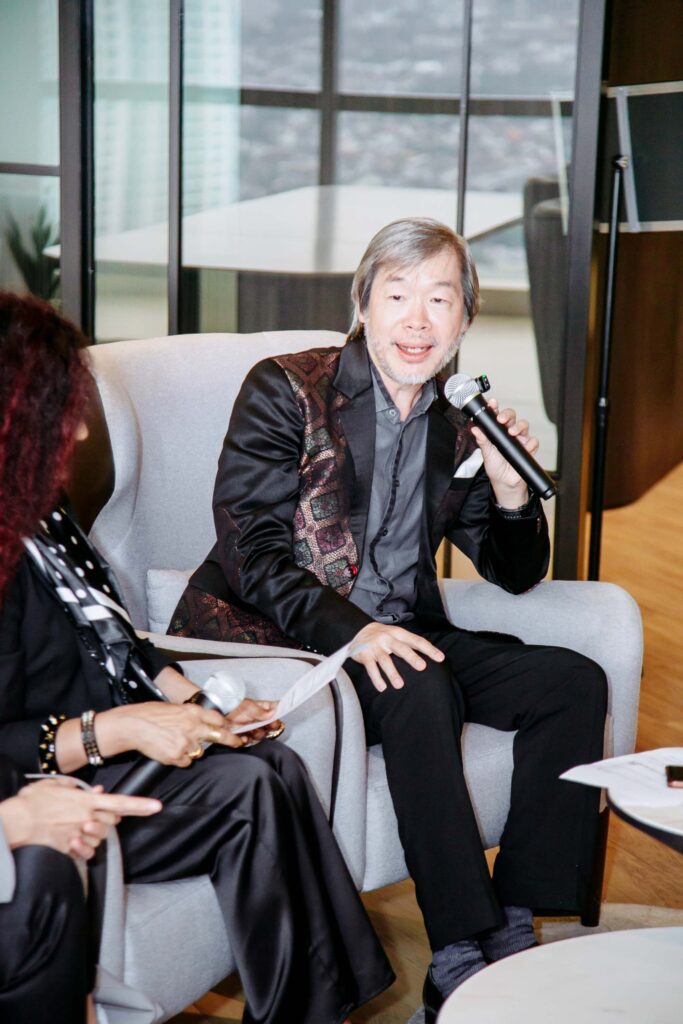
He reflected on what patients truly mean when they seek change, sharing, “When patients say they want to ‘look better,’ what they’re often expressing goes far beyond aesthetics.” Instead, he explained, these desires are rooted in deeper layers of self-perception—shaped by societal standards and constant comparison.
Beauty News:Eileen Grace Has Arrived in Malaysia, and It’s Already Taken Indonesia by Storm
“It reflects deeper layers of self-perception shaped by societal standards and constant comparison,” he added, gently shifting the conversation from surface to psyche.It’s not just about changing how one looks, but about aligning how one feels with how one is perceived. And in that alignment lies a complex emotional landscape.
Redefining Confidence in a Visual World
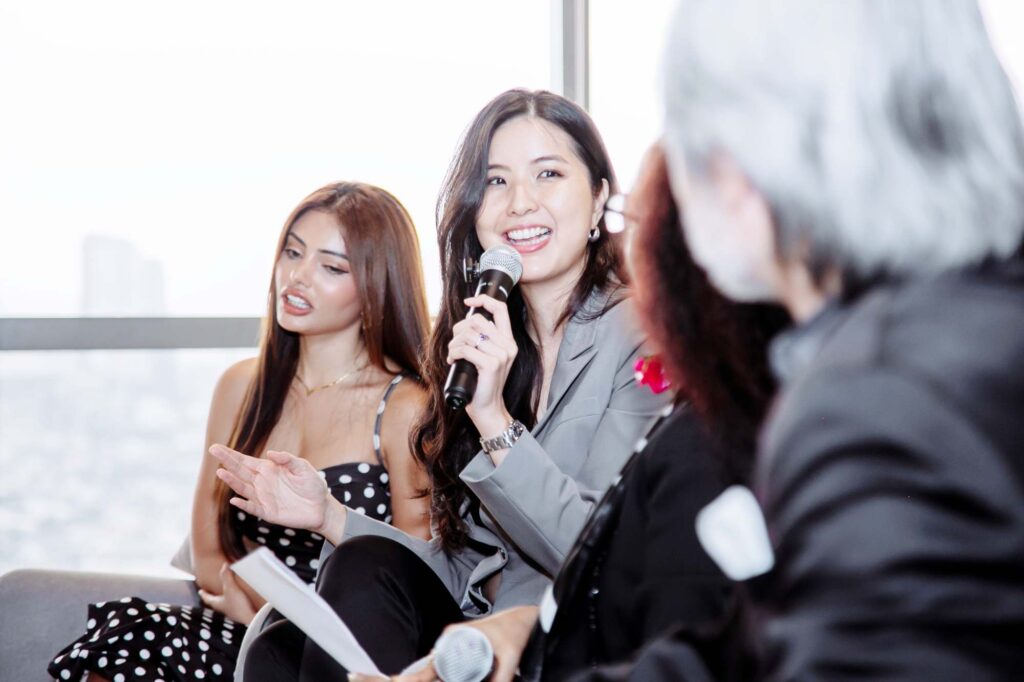
For Eleen Yong, confidence is perhaps one of the most misunderstood concepts in this conversation. Rather than something external—polished, perfected, or projected—she reframed confidence as internal awareness.
“Confidence today is often misunderstood as something external,” she noted. “For me, it’s about self-awareness — understanding who you are beyond how the world chooses to see you.” In a culture that often equates confidence with visibility, her perspective felt almost radical. True confidence, it seems, isn’t contingent on being seen—it exists regardless of it.
The Role of Space in Shaping Dialogue
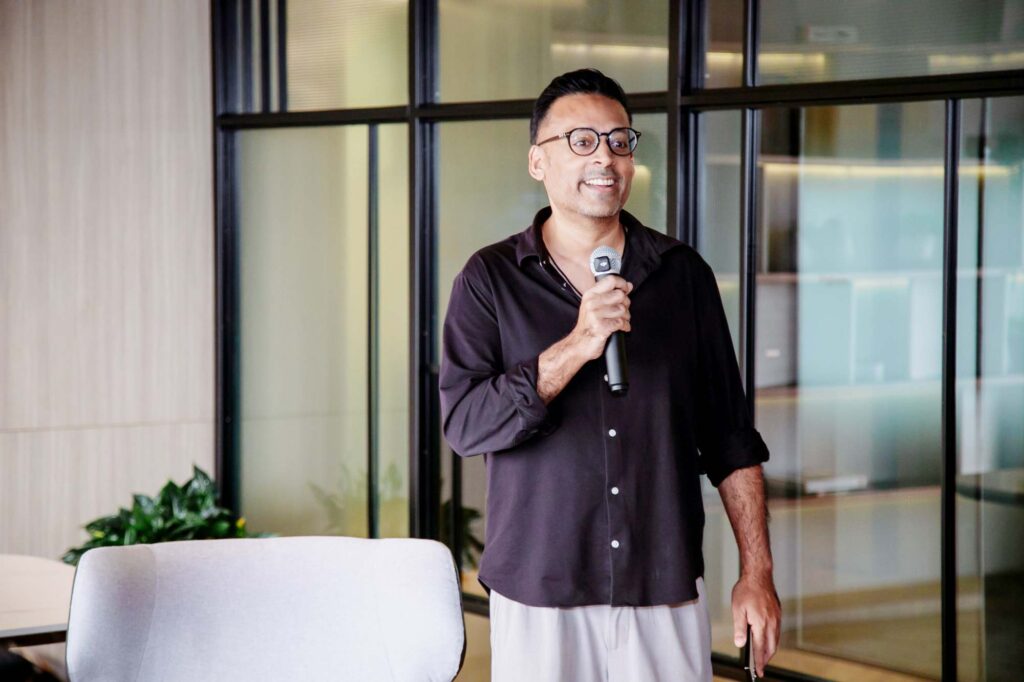
There’s something to be said about where conversations happen. And in this case, Arcc Spaces played more than just host—it became a facilitator.
As Nim Sivakumaran shared, “Malaysia has no shortage of sharp minds.” It’s a statement that felt both proud and quietly assured. He continued, “‘Being, Human’ — our signature fireside chat series exists to bring them into the same room and let the real conversation begin.”
In an age increasingly shaped by artificial intelligence and information overload, his perspective struck a chord: “What people are searching for in the workplace isn’t necessarily more information. It’s better thinking, real creativity, and spaces that make the commute worth it.”
And perhaps that’s what made the evening resonate so deeply. It wasn’t about spectacle—it was about substance.
A Cultural Moment, Not Just an Event
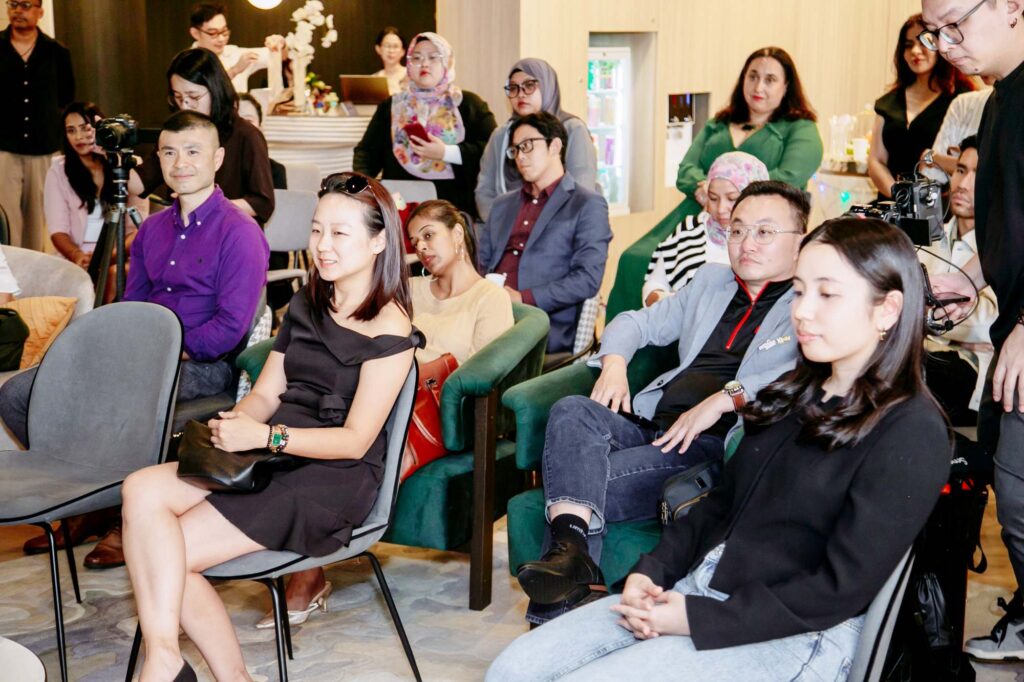
What Think Geek Media has done, quite intentionally, is carve out a space for conversations that are often left unspoken.
Topics like beauty, identity, and visibility are usually explored in fragments—through campaigns, trends, or fleeting social discourse. But here, they were given room to breathe. To be examined with nuance, complexity, and honesty.
The success of Is Beauty the New Cultural Currency? didn’t lie in definitive answers, but in its ability to provoke reflection. To make people question not just what they see—but how they assign value to it.
Looking Ahead: Conversations That Matter
As Kuala Lumpur continues to evolve as a cultural hub, platforms like Being, Human KL feel increasingly essential. They remind us that behind every curated image, every filtered moment, every carefully constructed identity—there is a human story. One that deserves to be understood, not just consumed.
And as conversations around beauty and identity grow more complex, the need for spaces that encourage dialogue, reflection, and awareness becomes not just relevant—but necessary.
Because in the end, the real question isn’t whether beauty is a form of currency.
It’s whether we understand the cost.
You Might Like